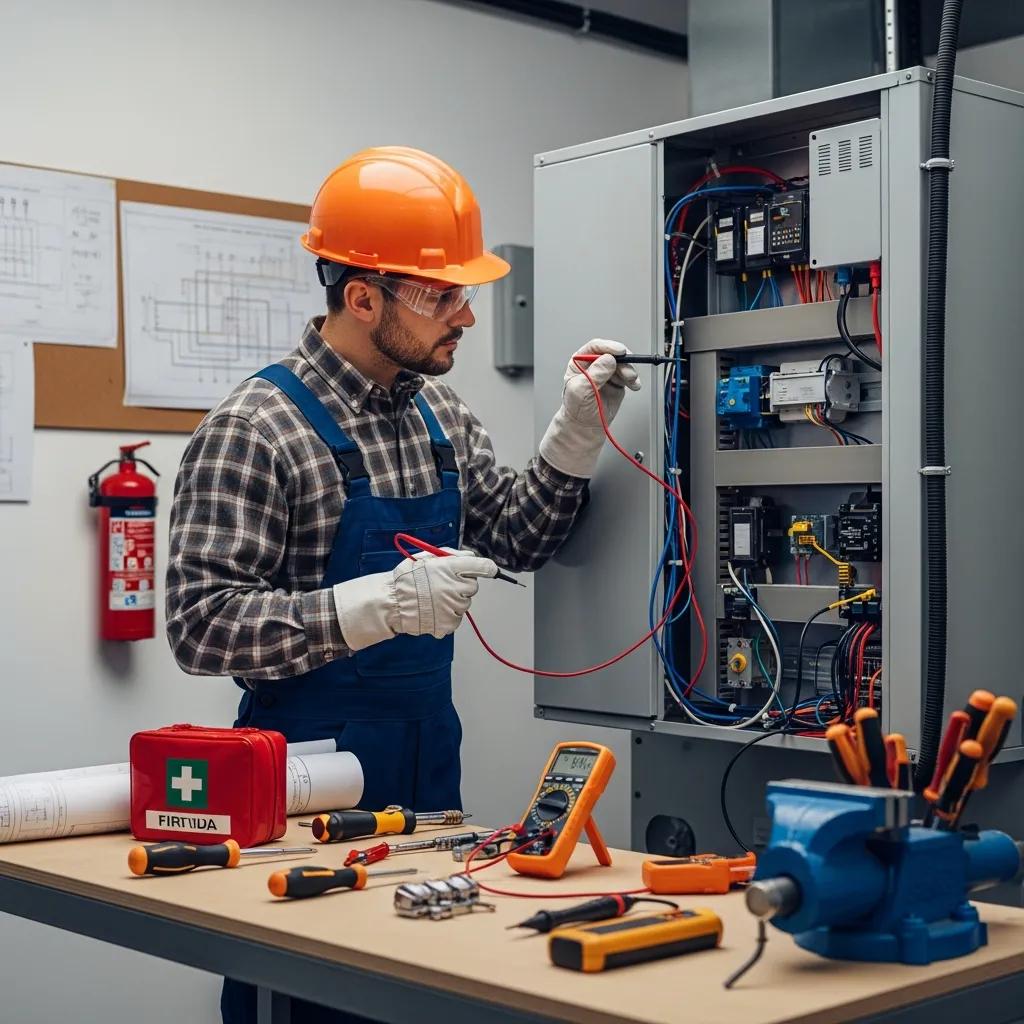
Comprehensive Electrical Safety Tips for HVAC Systems to Prevent Hazards and Ensure Reliable Operation
At Duke’s Heating and Air, we understand that electrical safety is paramount in the operation and maintenance of HVAC systems. Improper handling can lead to severe hazards, including electrical fires and equipment failures. That’s why we provide essential electrical safety tips tailored specifically for HVAC systems, ensuring that both homeowners and professionals can maintain safe and efficient operations. When you work with us, you’ll learn about common electrical hazards, preventive measures, and best practices for troubleshooting and maintenance. By understanding these critical aspects, you can significantly reduce risks associated with HVAC electrical systems. In the following sections, we will cover common electrical hazards, wiring risks, circuit breaker issues, and the importance of professional inspections, among other vital topics.
Indeed, adhering to established HVAC standards is fundamental for verifying equipment performance, efficiency, and overall fire safety.
What Are the Common Electrical Hazards in HVAC Systems?
HVAC systems are susceptible to various electrical hazards that can compromise safety and efficiency. Common electrical hazards include faulty wiring, overloaded circuits, and improper grounding. These issues can lead to equipment malfunctions, increased energy consumption, and even electrical fires. At Duke’s Heating and Air, we emphasize addressing these hazards as crucial for maintaining optimal HVAC performance and ensuring the safety of both the system and its users. Regular inspections and adherence to safety standards can significantly mitigate these risks.
Identifying HVAC Electrical Wiring Risks and Safety Concerns
Identifying electrical wiring risks in HVAC systems is essential for preventing accidents and ensuring reliable operation. Key safety concerns include:
- Faulty Wiring Risks: Damaged or outdated wiring can lead to short circuits and equipment failure.
- Overloaded Circuits: Excessive load on circuits can cause overheating and tripping of breakers.
- Electrical Malfunctions: Poor connections and worn-out components can result in unpredictable system behavior.
By recognizing these risks, our team and the homeowners we serve can take proactive measures to enhance safety and reliability.
Understanding Circuit Breaker Tripping and Electrical Overload Causes

Circuit breakers are designed to protect HVAC systems from electrical overloads and short circuits. Understanding the causes of circuit breaker tripping is vital for effective troubleshooting. Common causes include:
- Overloaded Circuits: When too many devices draw power from a single circuit, it can exceed the circuit’s capacity, causing the breaker to trip.
- Faulty Equipment: Malfunctioning HVAC components can create short circuits, leading to breaker trips.
- Wiring Issues: Damaged or improperly installed wiring can also trigger circuit breakers.
Recognizing these causes allows us to intervene and repair promptly, ensuring your HVAC system operates safely.
How Can You Prevent Circuit Breaker Trips in HVAC Systems?
Preventing circuit breaker trips in HVAC systems involves several proactive strategies that we recommend and implement:
- Regular Maintenance: Schedule routine inspections with our team to identify potential issues before they escalate.
- Checking Electrical Connections: We ensure all connections are secure and free from corrosion or damage.
- Monitoring Load on Circuits: We help you be aware of the total load on each circuit and avoid overloading by distributing devices appropriately.
Implementing these practices can significantly reduce the likelihood of circuit breaker trips, enhancing the reliability of your HVAC system.
Best Practices for HVAC Electrical Wiring Safety to Avoid Overloads
To ensure electrical wiring safety in HVAC systems, we follow and advise the following best practices:
- Regular Inspections: We conduct periodic checks of wiring and connections to identify wear and tear.
- Professional Maintenance: Our certified technicians handle complex electrical work to ensure compliance with safety standards.
- Addressing Loose Connections: We promptly tighten any loose connections to prevent overheating and potential hazards.
These practices help maintain a safe and efficient HVAC system, reducing the risk of electrical failures.
Step-by-Step Guide to Troubleshooting HVAC Electrical Issues Safely
Troubleshooting electrical issues in HVAC systems requires a systematic approach to ensure safety. We recommend following these steps:
- Turn Off Power: Always disconnect power before inspecting or repairing electrical components.
- Inspect Wiring and Connections: Look for signs of damage, such as frayed wires or burnt connections.
- Test Components: Use a multimeter to check the functionality of electrical components, such as capacitors and relays.
- Consult Professionals: If issues persist, contact our certified HVAC technicians for further diagnosis and repair.
By adhering to these steps, you can safely troubleshoot electrical problems while minimizing risks.
What Does a Comprehensive HVAC Electrical Maintenance Checklist Include?

We use a comprehensive HVAC electrical maintenance checklist to ensure system safety and efficiency. Key components of our checklist include:
- Inspecting Electrical Components: Regularly checking circuit breakers, fuses, and wiring for signs of wear.
- Thermostat Calibration: Ensuring thermostats are accurately calibrated for optimal performance.
- Cleaning Coils: Keeping coils clean to prevent overheating and improve energy efficiency.
This checklist serves as a valuable tool for both homeowners and our HVAC professionals to maintain electrical safety.
Routine Inspection Items for HVAC Electrical Components and Wiring
Our routine inspections of HVAC electrical components and wiring include the following items:
- Inspecting Electrical Connections: Checking for secure and corrosion-free connections.
- Checking Wiring for Damage: Looking for frayed or exposed wires that could pose safety risks.
- Evaluating Control Functionality: Testing control systems to ensure they operate correctly and safely.
Regular inspections help us identify potential issues early, preventing costly repairs and enhancing safety.
Scheduling and Documentation Best Practices for Electrical Safety
Effective scheduling and documentation practices are crucial for maintaining electrical safety in HVAC systems. We follow these best practices:
- Regular Inspections Scheduling: Establishing a routine schedule for inspections to ensure consistent monitoring.
- Maintaining Records: Keeping detailed records of inspections, repairs, and maintenance activities for reference.
- Testing Protocols: Implementing testing protocols to verify the functionality of electrical components regularly.
These practices enhance accountability and ensure that safety measures are consistently followed.
When Should You Call a Professional for HVAC Electrical Safety Inspections?
Recognizing when to call a professional for HVAC electrical safety inspections is vital for maintaining system integrity. Signs that indicate the need for professional help include:
- Unusual Noises: Hearing strange sounds from your HVAC system can signal electrical issues.
- Visible Leaks: Any signs of water or fluid leaks near electrical components should prompt immediate inspection.
- Frequent Cycling: If your system frequently turns on and off, it may indicate underlying electrical problems.
Addressing these signs promptly with professional heating repair from our team can prevent further complications.
Benefits of Certified Technician Electrical Diagnostics and Repairs
Hiring our certified technicians for electrical diagnostics and repairs offers several benefits:
- Expertise and Experience: Our certified technicians possess the knowledge and skills to diagnose complex electrical issues accurately.
- Safety Adherence: We follow strict safety protocols to minimize risks during repairs.
- Preventive Care: Regular maintenance by our certified technicians can extend the lifespan of your HVAC systems and improve efficiency.
Engaging our professionals ensures that electrical work is performed safely and effectively.
How Duke's Heating and Air Ensures Compliance with Electrical Safety Standards
At Duke’s Heating and Air, located in Raleigh, NC, we prioritize compliance with electrical safety standards through rigorous practices. We ensure:
- Thorough Inspections: Each HVAC system we service undergoes comprehensive inspections to identify potential hazards.
- Addressing Concerns Early: We take prompt action to resolve any identified issues, ensuring safety and reliability.
- Technician Training: Continuous training for our technicians keeps them updated on the latest safety standards and practices.
These measures reflect our commitment to maintaining high safety standards in HVAC services.
What Emergency Electrical Safety Procedures Should You Follow for HVAC Systems?
In the event of an electrical emergency, we advise following these procedures to ensure safety:
- Disconnecting Devices: Immediately turn off power to affected devices to prevent further damage.
- Checking the Breaker: Inspect the circuit breaker for tripped switches and reset if necessary.
- Avoiding DIY Repairs: Do not attempt to fix electrical issues without professional assistance, as this can lead to further hazards.
Following these emergency procedures can help mitigate risks during electrical failures.
Immediate Actions to Take During Electrical Failures or Circuit Breaker Trips
When experiencing electrical failures or circuit breaker trips, take these immediate actions:
- Disconnect Devices: Unplug any devices connected to the affected circuit to prevent damage.
- Reset the Breaker: If safe, reset the circuit breaker and monitor for recurrence.
- Monitor for Recurrence: Keep an eye on the system for any signs of repeated failures, indicating a need for professional evaluation.
These actions can help manage electrical issues effectively and safely.
Preventing Electrical Fires and Hazards in HVAC Equipment
Preventing electrical fires and hazards in HVAC equipment requires vigilance and proactive measures. Key strategies we follow include:
- Regular Maintenance: Scheduling routine maintenance to identify and address potential fire hazards.
- Checking Connections: Ensuring all electrical connections are secure and free from corrosion.
- Monitoring Warning Signs: Being alert to unusual smells, sounds, or performance issues that may indicate electrical problems.
Implementing these strategies can significantly reduce the risk of electrical fires in HVAC systems.
How Do Updated Electrical Codes and Safety Standards Impact HVAC System Safety?
Updated electrical codes and safety standards play a crucial role in enhancing HVAC system safety. Compliance with these codes ensures:
- Risk Mitigation: Adhering to updated standards reduces the likelihood of electrical hazards.
- Professional Installation: Our certified technicians are trained to follow current codes, ensuring safe installations.
- Improved System Performance: Compliance with safety standards often leads to more efficient and reliable HVAC systems.
Staying informed about electrical code changes is essential for maintaining safety and compliance. Specifically, the National Fire Protection Association (NFPA) provides critical guidelines that form the bedrock of electrical and fire safety for HVAC equipment.
Key Electrical Code Changes from 2024 to 2026 Affecting HVAC Installations
Several key electrical code changes from 2024 to 2026 will impact HVAC installations, including:
- Enhanced Grounding Requirements: New regulations mandate improved grounding practices to enhance safety.
- Updated Circuit Breaker Standards: Stricter standards for circuit breakers aim to reduce the risk of overloads and failures.
- Increased Energy Efficiency Mandates: New codes promote energy-efficient practices in HVAC installations, benefiting both users and the environment.
Understanding these changes is vital for HVAC professionals and our team to ensure compliance and safety.
Ensuring HVAC Electrical Compliance for Long-Term Safety and Reliability
Ensuring HVAC electrical compliance is essential for long-term safety and reliability. Our key practices include:
- Regular Inspections: Scheduling consistent inspections to verify compliance with current codes.
- Adhering to Codes: Staying updated on electrical codes and ensuring all installations meet these standards.
- Documenting Compliance: Maintaining records of inspections and compliance efforts for reference.
These practices help ensure that HVAC systems operate safely and efficiently over time.
What Are the Most Effective HVAC Electrical Troubleshooting Tips for Homeowners and Businesses?
Effective troubleshooting tips for HVAC electrical issues include:
- Identify Symptoms: Recognize signs of electrical problems, such as unusual noises or performance issues.
- Check Power Supply: Ensure that the system is receiving adequate power and that breakers are functioning.
- Consult Professionals: When in doubt, seek assistance from our certified HVAC technicians for complex issues.
These tips empower homeowners and businesses to address electrical problems effectively.
When DIY Troubleshooting Is Appropriate and When to Seek Professional Help
Understanding when to attempt DIY troubleshooting and when to call professionals is crucial for safety. DIY troubleshooting is appropriate for:
- Minor Issues: Simple tasks, such as replacing filters or checking thermostat settings, can often be handled by homeowners.
- Basic Inspections: Visual inspections of accessible components can help identify obvious issues.
However, professional help is necessary for:
- Complex Problems: Electrical issues that require specialized knowledge should always be handled by our certified technicians.
- Safety Concerns: If there is any doubt about safety, it is best to consult a professional.
This understanding helps ensure that HVAC systems are maintained safely and effectively.
How Can Visual Aids Enhance Understanding of HVAC Electrical Safety?
Visual aids play a significant role in enhancing understanding of HVAC electrical safety. They can include:
- Diagrams: Wiring diagrams help illustrate proper connections and configurations.
- Images: Photos of electrical components can aid in identifying issues during inspections.
- Videos: Educational videos can provide step-by-step guidance on safe practices and troubleshooting techniques.
Incorporating these visual aids into training and educational materials can improve comprehension and retention of safety information.
Using Wiring Diagrams and Circuit Breaker Images for Clear Safety Guidance
Wiring diagrams and circuit breaker images serve as valuable tools for clear safety guidance. They help users:
- Understand Diagrams: Familiarity with wiring diagrams enables better comprehension of system layouts and connections.
- Conduct Safety Checks: Images of circuit breakers can assist in identifying the correct breakers and understanding their functions.
- Identify Issues: Visual references can help users recognize potential problems during inspections.
Utilizing these resources enhances safety awareness and promotes effective troubleshooting.
Incorporating Safety Icons and Explainer Videos to Support Electrical Safety Education
Incorporating safety icons and explainer videos into electrical safety education can significantly enhance engagement and understanding. Key benefits include:
- Enhancing Engagement: Visual elements capture attention and make learning more interactive.
- Supporting Learning: Icons can simplify complex concepts, making them easier to understand.
- Improving Retention: Engaging content helps reinforce key safety messages, leading to better retention of information.
These strategies contribute to a more effective educational approach to HVAC electrical safety.
Ensure Your HVAC Electrical Safety with Duke's Heating and Air
Protect your home or business by partnering with Duke’s Heating and Air, the trusted HVAC experts in Raleigh, NC. Schedule a professional electrical safety inspection today to keep your system running safely and efficiently. Schedule Your Inspection.