


Practical HVAC Energy-Saving Tips for Your Home — Cut Bills and Stay Comfortable
High energy bills can be a real headache, especially when the weather swings hot or cold, forcing your heating and cooling systems to work overtime. Understanding how to optimize your HVAC system is key to not only saving money but also significantly enhancing your home’s comfort throughout the year. This comprehensive guide walks you through practical, actionable steps to improve HVAC efficiency, delving into the common reasons why heating and cooling costs tend to rise, the critical importance of regular maintenance, how modern smart thermostats can revolutionize your energy consumption, and the profound impact that sealing ducts and upgrading insulation can have on lowering your monthly utility bills. By implementing these easy changes, you’ll discover how small adjustments can add up to substantial real savings and a consistently comfortable living environment.
Why Are Your Heating and Cooling Bills So High? Understanding HVAC Energy Inefficiency
High HVAC energy use often stems from common, identifiable problems within your system or home envelope. By accurately spotting these underlying causes, you can effectively address the right issues, preventing wasted energy and immediately beginning to cut down on your operational costs. This proactive approach ensures that your efforts are targeted and yield the most significant financial and comfort benefits.
What Causes High Energy Consumption in Home HVAC Systems?
The age and wear of your HVAC system play a significant role in its operational efficiency; generally, older systems are less efficient and consume more energy than their newer, more technologically advanced counterparts. Over time, components like old compressors, fans, and motors can become worn or outdated, requiring more power to perform the same functions. Furthermore, poor insulation throughout your home and the presence of drafty areas, such as around windows and doors, allow conditioned air to escape rapidly. This constant loss forces your HVAC system to run longer and harder to maintain your desired temperature, leading to increased energy consumption and higher utility bills.
How Does Poor Maintenance Affect Your HVAC Energy Efficiency?
Skipping routine maintenance is a direct path to quickly increasing your energy use and shortening the lifespan of your HVAC system. When dirt accumulates on evaporator and condenser coils, airflow is restricted, and heat transfer becomes less efficient. Similarly, clogged air filters impede proper airflow, making the fan motor work harder. Worn parts, such as bearings or belts, create friction and reduce overall system performance. All these factors combine to make your equipment work significantly harder and consume more electricity, which directly translates to higher monthly bills and substantially increases the risk of unexpected breakdowns and costly emergency repairs.
How Can Regular HVAC Maintenance Save You Money? Essential Energy Efficiency Tips

Regular maintenance stands out as one of the simplest, yet most cost-effective, ways to significantly reduce your energy use and extend the operational life of your entire HVAC system. By performing small, consistent checks and professional tune-ups, you ensure that your heating and cooling equipment runs smoothly, efficiently, and reliably, preventing minor issues from escalating into major, expensive problems.
Why Schedule Professional HVAC Tune-Ups?
Scheduling a professional tune-up is a crucial preventative measure that helps catch small issues, such as loose connections, refrigerant leaks, or minor component wear, before they can develop into major, costly problems. During a comprehensive tune-up, a certified technician meticulously inspects, cleans, and adjusts key parts of your system, including coils, blowers, and electrical connections. This thorough service ensures that the system operates at its peak performance, uses less energy to achieve desired temperatures, and consistently keeps your home more comfortable while minimizing the risk of unexpected breakdowns.
How Often Should You Change Your Air Filters for Optimal Savings?
Maintaining clean air filters is paramount for improving both airflow and the overall efficiency of your HVAC system. It is generally recommended to replace filters every 1–3 months, though the exact frequency can vary significantly depending on several factors, including how often your system runs, the specific type of filter you use, and household conditions such as the presence of pets or individuals with allergies. Fresh, clean filters ensure unrestricted airflow, which lowers the strain on your system’s fan motor and can lead to a noticeable reduction in energy use. Neglecting to change them regularly will inevitably lead to reduced efficiency, increased energy consumption, and higher costs over time.
What Are the Benefits of Smart Thermostats for Home Energy Savings?

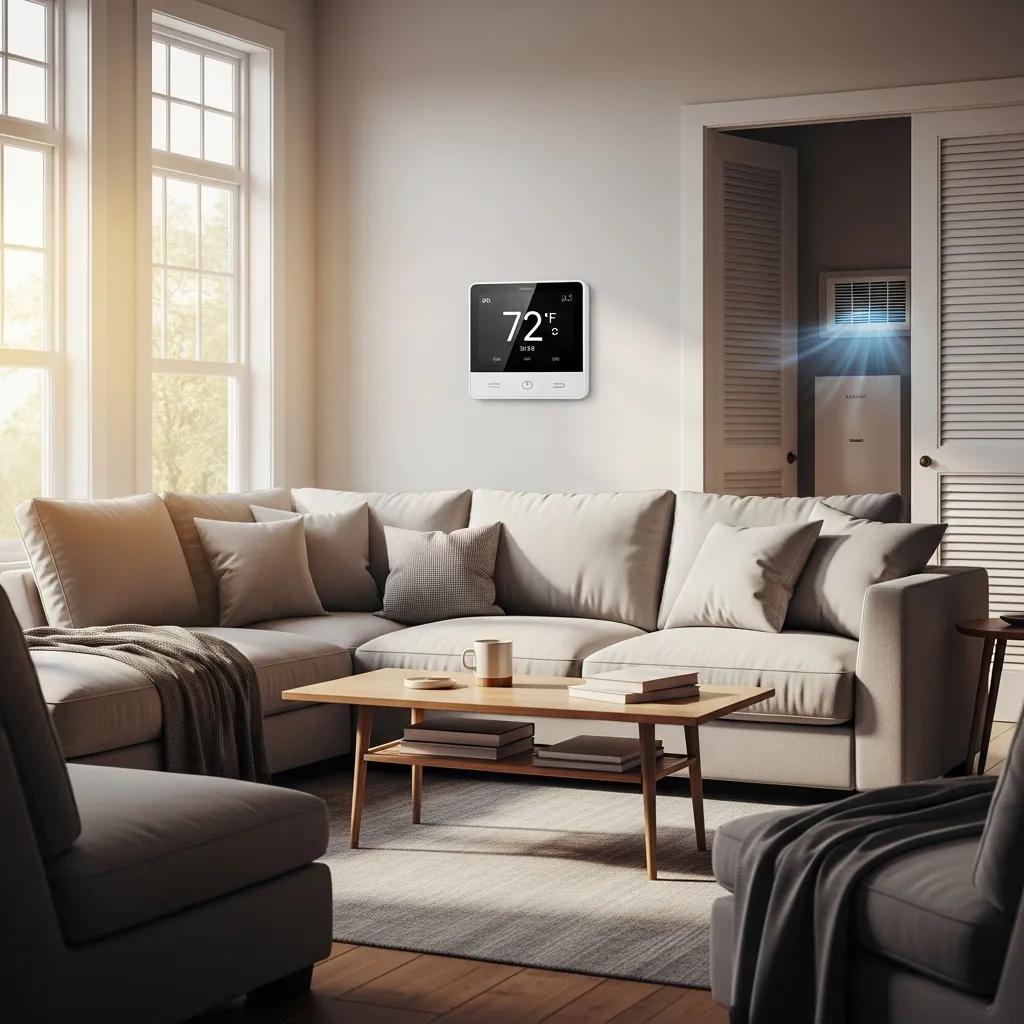
Smart thermostats offer a powerful combination of modern convenience and measurable energy savings, making them an excellent investment for any homeowner. By intelligently matching your heating and cooling cycles to your actual daily schedule and preferences, these devices effectively cut down on wasted run time, ensuring your system only operates when necessary. This optimization helps maintain consistent comfort levels throughout your home without the unnecessary expense of overspending on energy.
How Do Programmable and Smart Thermostats Reduce Energy Use?
Programmable and smart thermostats provide advanced control over your home’s climate by allowing you to set precise schedules for when you are home, away, or asleep. This means you can automatically adjust temperatures to conserve energy when the house is empty or when you’re sleeping, and then return to comfortable levels before you arrive or wake up. Many advanced models go a step further by learning your daily habits and preferences, automatically adjusting settings over time to optimize energy use without requiring constant manual input from you. This intelligent automation ensures your system uses less energy while maintaining your desired comfort.
What Are the Best Thermostat Settings to Lower Heating and Cooling Costs?
For noticeable and consistent savings on your energy bills, strategic thermostat settings are key. In winter, aim to set your thermostat near 68°F when you are actively home and awake, and then lower it by 7-10 degrees when you are away or asleep. During the summer months, target approximately 78°F when you are home, and raise it by a few degrees while you are out. Even small, consistent changes in these settings, combined with the strategic use of ceiling or portable fans to circulate air, can significantly enhance your comfort without overworking your HVAC system, leading to substantial reductions in energy consumption.
How Does Improving Your Home’s Ductwork and Insulation Cut Energy Costs?
Addressing issues with your home’s ductwork and insulation represents some of the highest-impact upgrades you can make to significantly reduce energy costs. Properly sealed ducts and adequate insulation work in tandem to keep conditioned air precisely where it belongs—inside your living spaces—thereby minimizing waste and directly lowering your utility bills. If you are considering a more extensive overhaul, it’s also an opportune time to review the long-term benefits and energy efficiencies offered by new HVAC system installations, which can further amplify your savings.
Why Is Duct Sealing Important for HVAC Efficiency?
Leaky ducts are a major culprit in energy waste, as they can allow a staggering 20–30% of your carefully heated or cooled air to escape into unconditioned spaces like attics, crawl spaces, or basements. This significant loss forces your HVAC system to work much harder and run longer to compensate for the lost air, leading to increased energy consumption and higher bills. Professional duct sealing, which involves meticulously sealing cracks and gaps in your ductwork, helps ensure that air reaches the rooms that need it most, dramatically improving comfort, enhancing system efficiency, and cutting down on energy waste.
Numerous studies and energy audits consistently back up the substantial difference that proper duct sealing can make in a home’s overall energy performance. Research from organizations like the U.S. Department of Energy indicates that sealing leaky ducts can improve the efficiency of your heating and cooling system by as much as 20%, translating directly into tangible savings on your monthly utility statements and a more evenly conditioned home.
How Can Upgrading Home Insulation Reduce HVAC Energy Consumption?
Better insulation acts as a critical barrier, significantly slowing the transfer of heat between the inside and outside of your home. In winter, it keeps warm air in, and in summer, it prevents hot air from entering. This reduced heat transfer means your HVAC system doesn’t have to work as hard or run as frequently to maintain your desired indoor temperatures. By upgrading insulation in key areas like attics, walls, and crawl spaces, you can dramatically lower your overall energy use, leading to a noticeable and consistent reduction in your monthly utility bills and a more stable indoor climate.
| Improvement Area | Benefit | Estimated Savings |
|---|---|---|
| Regular Maintenance | Improved efficiency, extended system lifespan, reduced breakdowns | 5-15% reduction in bills |
| Smart Thermostats | Optimized scheduling, remote control, adaptive learning | 10-12% reduction in bills |
| Duct Sealing | Reduced air leaks, improved airflow, enhanced comfort | 10-20% reduction in bills |
| Insulation Upgrade | Enhanced temperature control, reduced heat transfer, quieter home | 10-30% reduction in bills |
By diligently putting these practical tips into practice, you will likely observe a noticeable and welcome drop in your utility costs, alongside experiencing a significantly more comfortable and consistent home environment. Focusing on regular HVAC maintenance, integrating smart thermostat controls, and tightening your home’s thermal envelope through duct sealing and insulation upgrades are reliable and highly effective places to start your energy-saving journey. If you have any questions, require further clarification, or wish to schedule a professional assessment of your home’s HVAC system and energy efficiency, please do not hesitate to contact us for expert guidance and service.
Conclusion
In summary, implementing small, practical steps—such as committing to routine HVAC tune-ups, installing and utilizing smart thermostats, ensuring your ductwork is properly sealed, and upgrading your home’s insulation—can collectively add up to substantial real savings on your energy bills and significantly improve your overall home comfort. Taking action now to address these areas will not only lower your energy consumption but also extend the operational life and reliability of your valuable HVAC system. For personalized advice tailored to your specific home needs or to schedule a professional service appointment, please feel free to contact us; our experts are ready to assist you in achieving optimal energy efficiency and comfort.