


Top Furnace Problems and How to Troubleshoot Them — Practical Steps for Reliable Home Heat
A dependable furnace keeps your home comfortable and safe. When it stops working, you can face cold rooms, higher energy bills, or even safety risks. This guide walks through the ten most common furnace issues, outlines simple troubleshooting you can safely try, and explains when to call a trained technician to avoid costly damage. You’ll learn how to diagnose no-heat situations, why a furnace might blow cold air, how to interpret unusual noises, and what drives repair costs so you can make informed choices. Each section follows a Problem → Solution → When to Call a Pro format with short checklists and quick tests you can run before booking service. Practical maintenance tips and clear safety warnings are included to keep your system running efficiently and prevent repeat breakdowns. Use this guide to get heat back fast and to know when to schedule professional furnace repair.
Why Is My Furnace Not Heating? Troubleshooting Common Causes
If your furnace isn’t producing heat, the issue usually involves controls, power, or ignition. Working step-by-step—thermostat, power, airflow, then ignition—lets you narrow the cause and often fix simple problems quickly. These checks also show when a part is failing and needs replacement instead of an adjustment. Below is a short decision checklist to guide safe, immediate actions.
- Check Thermostat Settings and Batteries to make sure the system is set to HEAT and actually calling for heat. Wrong settings or dead batteries are an easy, common fix.
- Verify the Furnace Power Switch and Circuit Breaker are on and not tripped. A power cut or tripped breaker is a frequent cause of no heat and is often resolved by resetting the breaker or switch.
- Replace a Dirty Air Filter to restore proper airflow so the furnace can ignite and run normally. Restricted airflow can trip safety controls and stop the furnace from heating.
After these DIY checks, if the furnace still won’t ignite, you smell gas, or the system repeatedly locks out, stop further DIY work and schedule a repair with a qualified technician for safe diagnosis and repair.
Different faults show different symptoms; the table below helps you prioritize checks and shows what to expect during a quick triage.
| Component Checked | Symptom/Cause | Quick Diagnostic Step |
|---|---|---|
| Thermostat | Not calling for heat | Confirm set to HEAT and raise temperature; replace batteries |
| Power/Electrical | No power to furnace | Check furnace switch and breaker; reset if tripped |
| Air Filter / Airflow | Reduced heat or short cycling | Inspect and replace filter; observe airflow at registers |
Use this quick comparison to run the most effective initial checks and decide whether a professional inspection is needed to restore reliable heating.
What Are the Typical Reasons for No Heat in a Furnace?
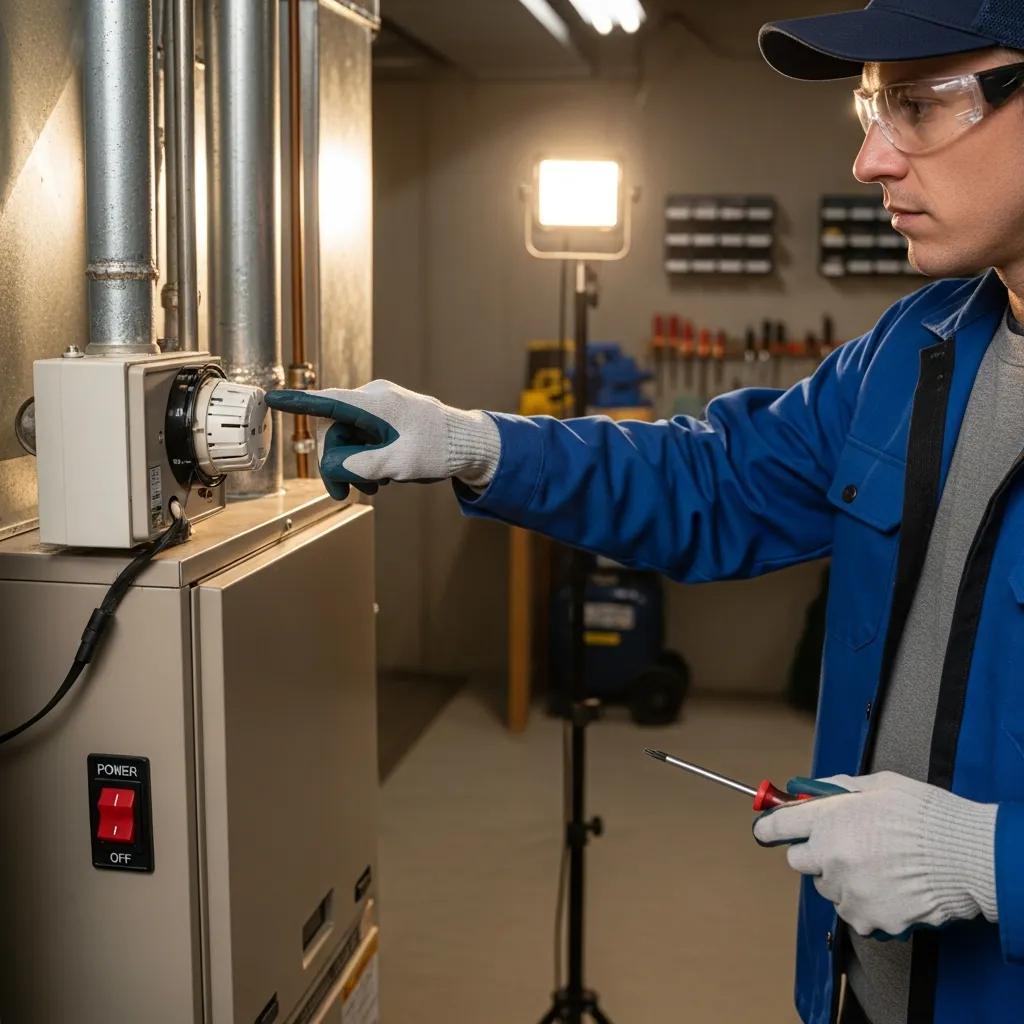
Thermostat problems, power failures, restricted airflow, and ignition faults are the most common causes of a furnace producing no heat. Thermostat issues can show up as the wrong mode, a blank display, or unresponsive controls and are often fixed by replacing batteries or confirming settings. Power problems range from a tripped breaker to a switched-off wall switch or a blown fuse; restoring power may bring the system back, but repeated trips indicate a deeper electrical problem. Clogged filters or blocked vents reduce combustion efficiency and can trigger safety controls that keep the burner off—replace the filter and clear vents before moving on to more advanced checks.
How Can I Diagnose and Fix Furnace No Heat Problems?
Follow this order: confirm the thermostat is calling for heat, restore power if needed, check filters and vents, then watch the ignition cycle to see if the burner lights. Keep safety in mind: turn power off before inspecting internal parts, don’t probe gas lines, and if you smell gas—leave the home and contact professionals. If the ignitor doesn’t glow or the pilot won’t light after resets, the problem will likely require a component replacement or gas-valve work that only a trained technician should do. Repeated lockouts, visible gas odors, or failing safety switches are signs to call for professional furnace repair to prevent hazards and ensure proper fixes.
This sequence helps you isolate routine fixes while recognizing clear limits where a pro must step in.
How to Fix a Furnace Blowing Cold Air: Causes and Solutions
If your furnace runs but only blows cold air, likely causes include the blower running without ignition, a safety lockout, thermostat settings, or disrupted fuel supply. Start by checking thermostat mode and fan settings, then watch whether the burner lights during a heat call—the burner’s behavior quickly shows if ignition is working. Fixing airflow issues and confirming gas or electrical controls often clears cold-air problems; complex combustion issues or control-board faults will need a technician. The short list below helps you decide whether a DIY fix is appropriate or a service call is needed.
- Confirm Thermostat Is Set to HEAT and the Fan Is Set to AUTO Rather Than ON. If the fan is set to ON, it will run continuously and can blow cold air when the burner isn’t running.
- Replace Clogged Filters and Verify All Vents Are Open to Restore Normal Airflow. Restricted airflow can cause overheating and shutdown of the burner, leaving only cold air from the blower.
- Observe the Burner During a Heat Call; No Ignition or Repeated Lockouts Need Professional Diagnosis. Ignitor or control problems require specialized tools and expertise to fix safely.
The table below helps separate DIY actions from repairs that should be handled by a pro when your furnace is blowing cold air.
| Likely Fault | Diagnostic Sign | Recommended Action / When to Call Pro |
|---|---|---|
| Thermostat Mis-set | Fan on OR mode wrong | Reset thermostat settings; call pro if controls fail |
| Dirty Filter / Airflow | Reduced or cold airflow | Replace filter; call pro if problem persists |
| Ignitor/Pilot Failure | No flame on heat call | Avoid DIY ignition repairs; contact professional service |
This decision table clarifies next steps so you avoid unnecessary or unsafe DIY attempts.
What Causes a Furnace to Blow Cold Air Instead of Warmth?
Ignition failures—when the blower runs but the burners don’t light—are a common cause of cold air. You may see the fan running on a heat call while the burner never comes on. Thermostat errors or control-board delays can also run the fan early, producing cold airflow until ignition occurs. Airflow restrictions from clogged filters, closed vents, or blocked returns reduce heat transfer and make the system feel like it’s blowing cold air even when the burner is firing. Fuel supply interruptions or safety lockouts from repeated failed ignition attempts are more serious and usually need professional attention.
What Are Effective Troubleshooting Steps for Cold Air Issues?
Start with safe, simple checks: confirm thermostat mode and fan setting, install a clean filter, and make sure all registers are open. Then try resetting the furnace by turning off power for about 30 seconds and restoring it to see if the system completes a normal start cycle—watch for the ignitor to glow or the pilot to light. If resets don’t work, if you smell gas, or if the furnace repeatedly locks out, stop DIY testing and call a technician for ignition and gas-system diagnostics. These steps reduce risk while improving the odds of resolving common cold-air causes without unnecessary parts replacement.
Following these prioritized actions protects safety and speeds the return to warm, efficient operation.
What Are Noisy Furnace Problems and How Can They Be Resolved?
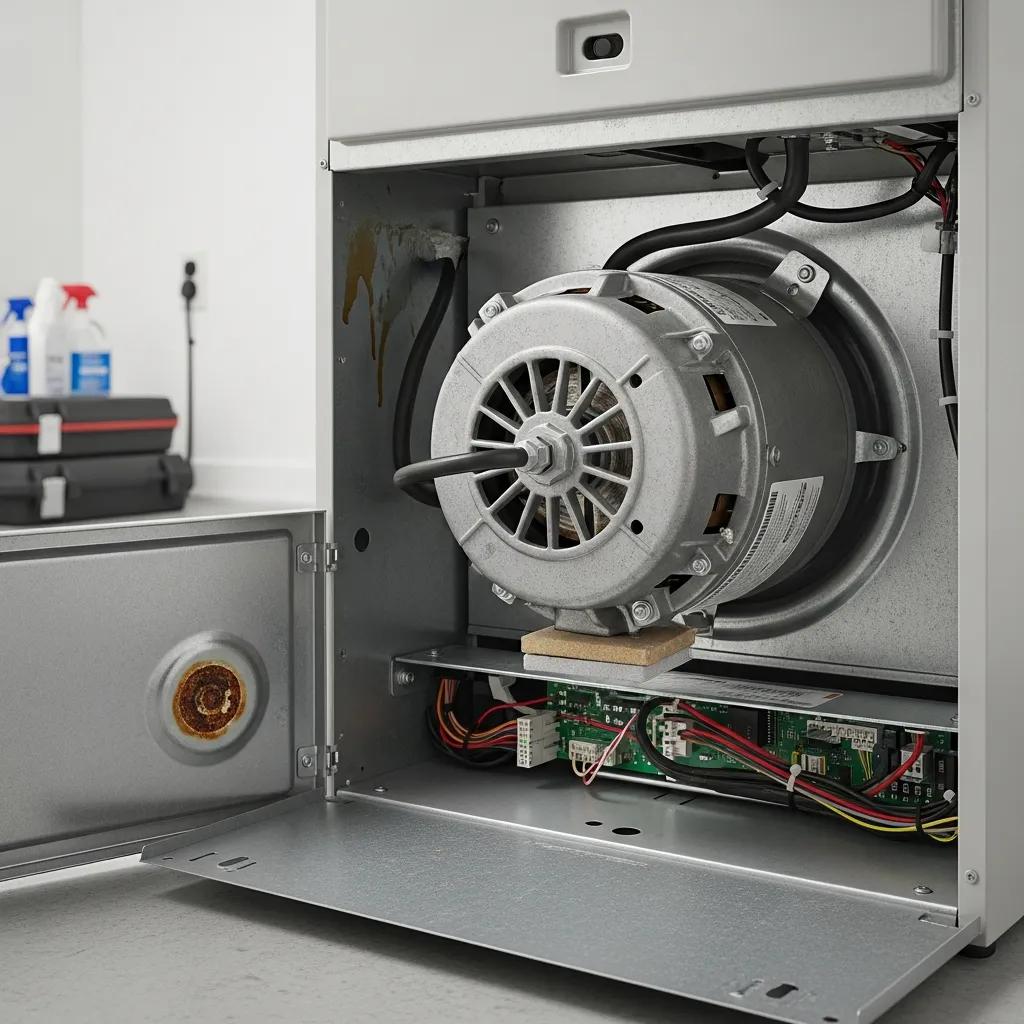
Strange furnace noises usually point to a specific mechanical or combustion issue. Identifying the sound can quickly narrow likely causes and the right fix. A squeal often means worn blower bearings or a slipping belt and may be eased temporarily with lubrication if the manufacturer allows, but it usually needs replacement. A loud bang or pop at startup often indicates delayed ignition or metal expansion and can signal combustion timing problems or heat-exchanger stress—these should be inspected by a pro for safety. Below is a quick sound guide with homeowner actions and risk levels.
- Squeal: Usually worn blower bearings or a slipping belt; lubricate only if allowed by your unit’s manual and plan to replace the worn part. Ignoring it can lead to motor failure.
- Bang or Pop: Often delayed ignition or combustion buildup; turn off the furnace and call a technician for combustion safety checks—this can indicate fuel buildup or heat-exchanger issues.
- Rattle: Often loose panels or debris in the cabinet; tighten access panels and remove any foreign objects. This is usually low risk but should be fixed to avoid damage.
After you complete obvious mechanical fixes like tightening panels or clearing debris, persistent or safety-related noises should prompt a professional inspection to avoid efficiency loss or hazardous conditions.
Which Furnace Noises Indicate Specific Component Issues?
A high-pitched squeal commonly points to blower motor bearings or a worn belt and signals mechanical wear that will worsen if left unaddressed. A loud bang at startup often means delayed ignition—fuel builds up and then ignites suddenly—which raises concerns about heat-exchanger stress and potential safety hazards. A steady hum or vibration can come from loose panels, failing motor mounts, or stressed electrical components and should be inspected before more damage occurs. If you hear combustion-related sounds, turn the unit off and contact a professional.
Matching sounds to likely components helps you prioritize safe next steps and the right repairs.
How Do You Address and Repair Common Noisy Furnace Symptoms?
Begin with safe homeowner tasks: tighten access panels, clear visible debris, and confirm the unit sits level and has clearance around the blower cabinet. For mechanical wear like noisy bearings, failing belts, or damaged blower wheels, plan for parts replacement and professional motor service to restore quiet, efficient operation. Combustion-related noises or any sign of a cracked heat exchanger require immediate shutdown and a professional inspection because of carbon monoxide and structural risks. If noise remains after basic maintenance, schedule a diagnostic visit to identify worn parts and get a clear repair estimate.
These steps combine homeowner triage with clear escalation to professional service when needed.
How Much Does Furnace Repair Cost? Understanding Estimates and Factors
Furnace repair cost varies with parts complexity, labor time, system age, access difficulty, and emergency service needs. Rather than a single price, focus on the factors that shape an estimate. Older units may need hard-to-find parts or more labor, while newer systems can have expensive control boards and sensors. After-hours calls increase labor rates, and hard-to-access installations add time on site. Below are the main cost drivers to review before accepting an estimate.
- Parts Needed and Their Availability, Including Specialty Components. Some items—OEM heat exchangers or control boards—can be costly and may need ordering, which raises price and extends timelines.
- Labor Time Influenced by Access, Unit Location, and Diagnostic Complexity. Furnaces in tight spaces or that require ductwork changes increase labor hours and cost.
- System Age and Whether Repair or Replacement Offers Better Long-Term Value. Older systems may be less cost-effective to repair than to replace.
Financing through third-party programs can spread repair costs. If affordability is a concern, ask about available financing options when scheduling so you can weigh repair versus replacement with clear cash-flow choices.
What Influences the Cost of Furnace Repairs?
Parts availability, system model, and component complexity are key cost drivers: specialty ignitors, control boards, or OEM heat exchangers cost more and may require ordering. Labor goes up when units are hard to reach—attics, crawlspaces, or tight closets—or when ductwork needs modification. The furnace’s age and condition affect whether a technician recommends replacement over repair; older units often have diminishing returns on repairs. Request a transparent estimate that lists parts, labor, diagnostic fees, and warranties so you can compare options and decide wisely.
Knowing these factors helps you anticipate estimate differences and choose the safest, most cost-effective path.
How Can Financing Options Like GreenSky Make Repairs Affordable?
Financing plans such as GreenSky let you spread repair or replacement costs over time, reducing immediate out-of-pocket expenses while getting your home back to safe, reliable heating. Financing can make urgent safety repairs affordable so you don’t delay necessary work that could cause more damage. When considering financing, ask for terms and pre-qualification details during scheduling to understand monthly payments and pick the plan that fits your budget. Ask the service provider to include financing in the written estimate so you can compare repair, replacement, and payment options at once.
Financing can make urgent repairs manageable—discuss available plans with your service provider when you book an on-site estimate.
Schedule Your Furnace Service Today
If your troubleshooting shows ignition failure, persistent noises, gas odors, or repeated lockouts, trust experienced technicians to diagnose and repair the issue safely and quickly. Dukes Heating & Air Conditioning LLC serves homes and light-commercial customers in Newark, Fremont, San Jose, and Pleasanton, offering furnace repair, furnace installation, and maintenance—with emergency service options available. We provide clear on-site estimates and can review financing options such as GreenSky when repair costs exceed immediate budgets.
To restore reliable heating and protect your home, schedule your furnace repair with our trained team for prompt, professional service.
Knowing common furnace problems and what to do about them helps you keep your home safe and comfortable. Follow the troubleshooting steps here to identify issues quickly and know when to call a professional—saving time and money. If problems persist, our technicians are ready to provide dependable service tailored to your needs. Schedule your furnace repair today to keep your home warm and efficient all season.