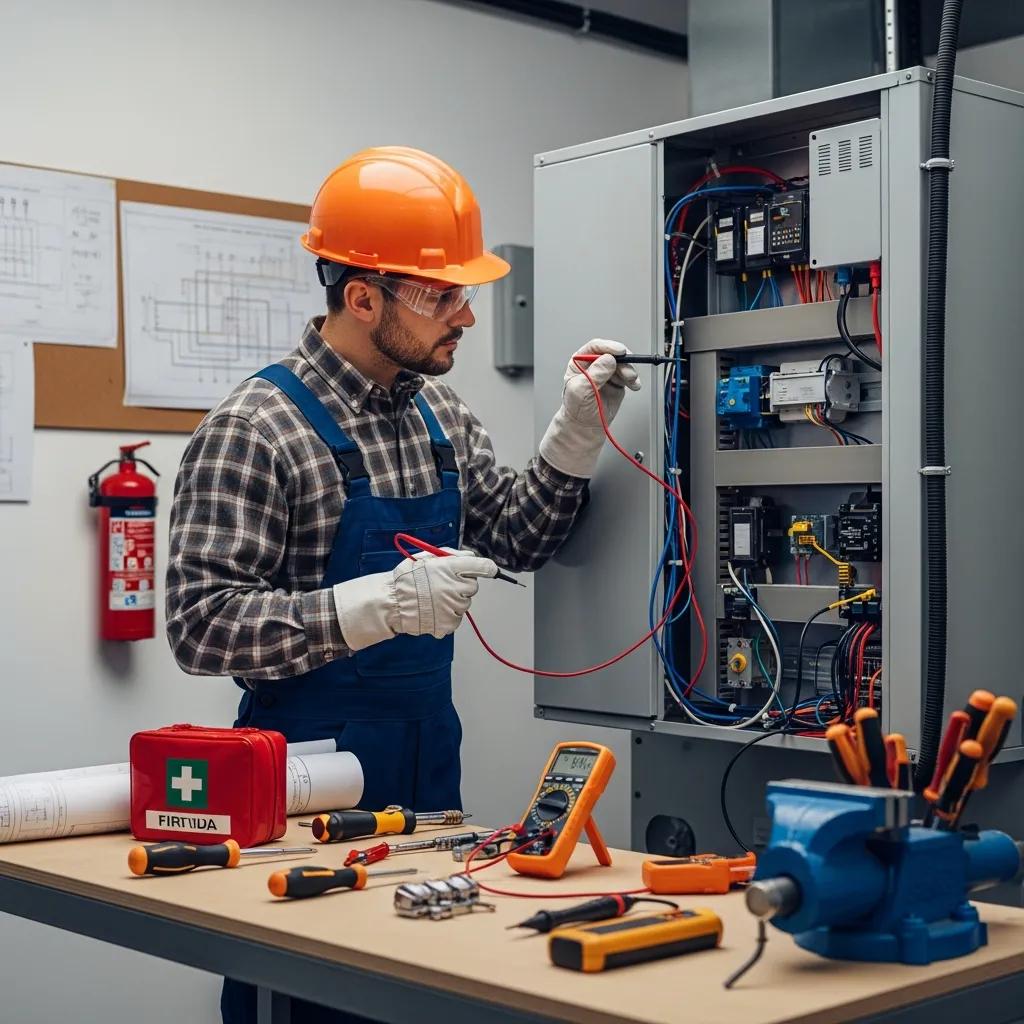
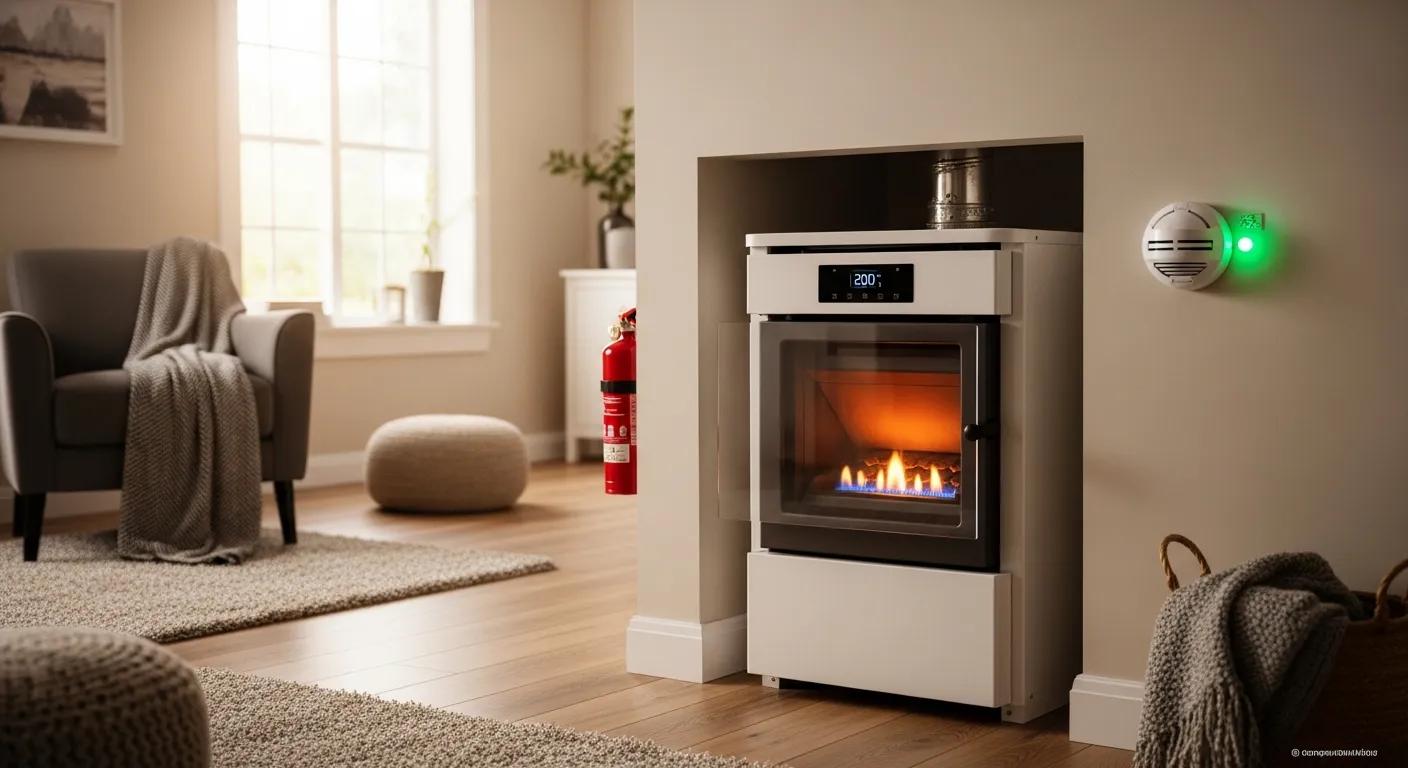
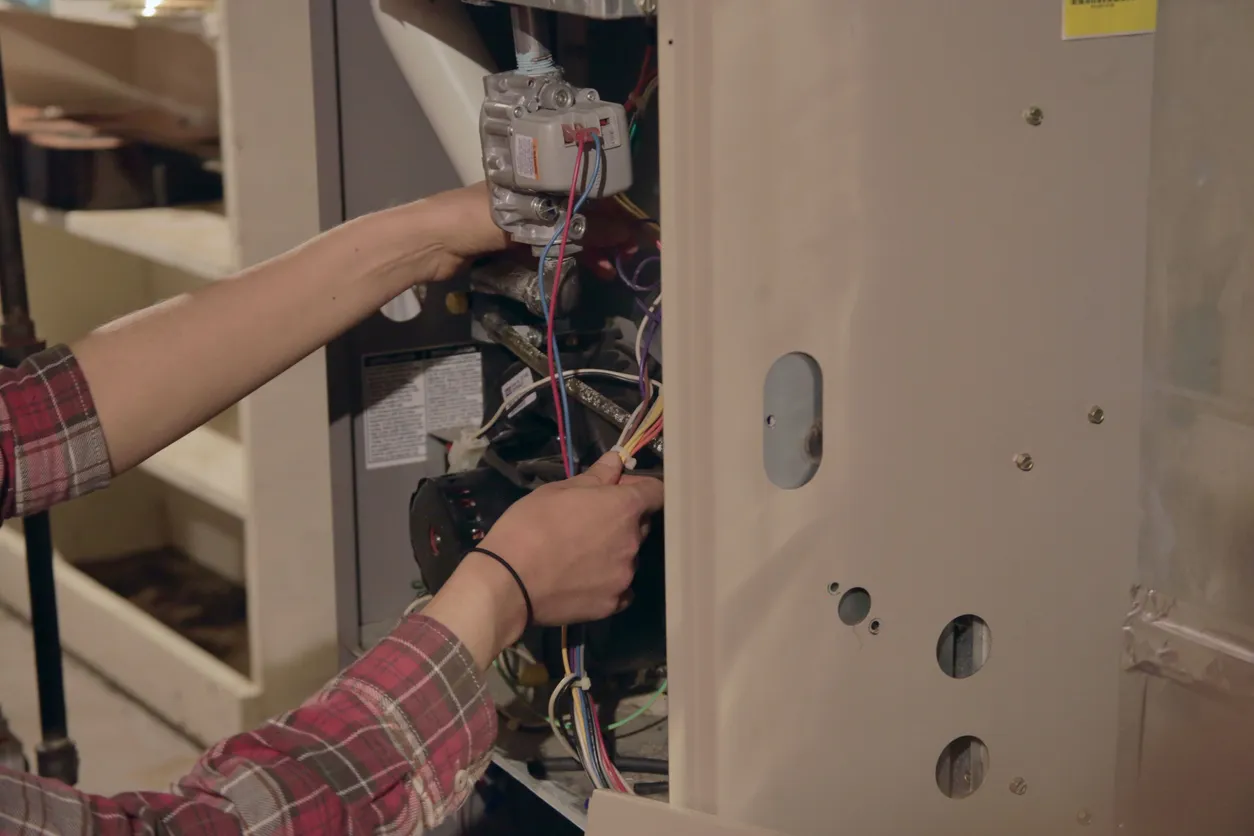
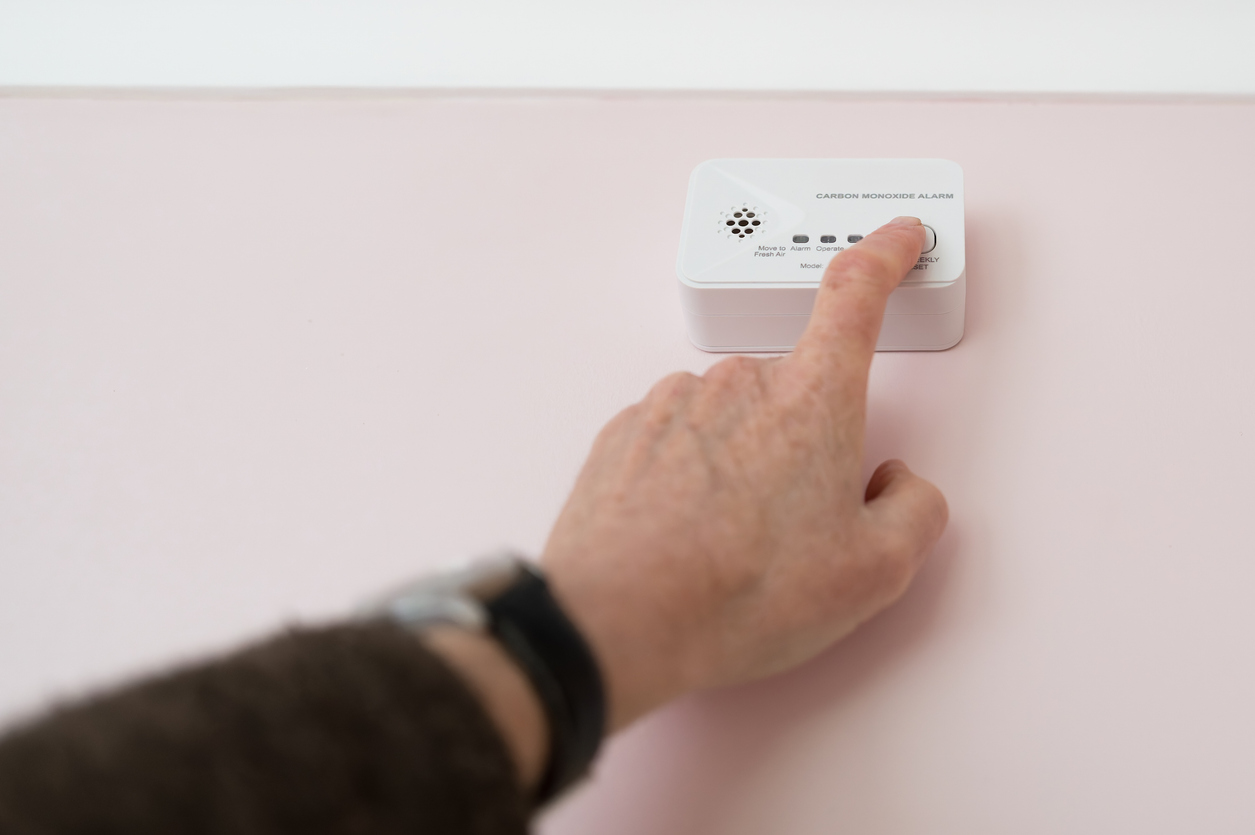
Essential Tips for Preventing Carbon Monoxide Poisoning
Stay safe from CO poisoning by following essential tips for prevention. Learn how carbon monoxide detectors can protect your home and loved ones effectively.
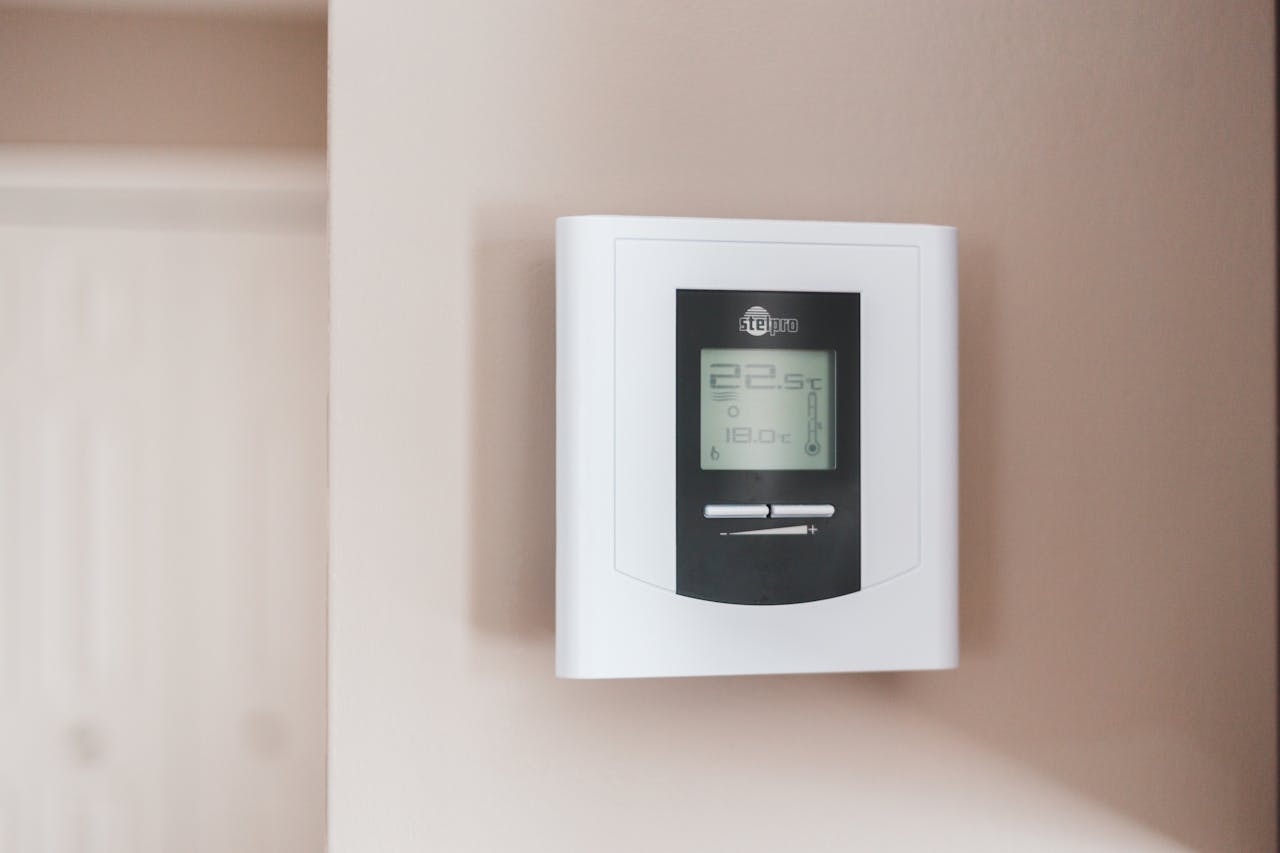
Common Thermostat Problems Affecting Your Pleasanton Home’s Heating Performance
When the temperatures drop in Pleasanton, your home’s heating system becomes more than just a comfort—it’s something you count on daily. But even the most ...
Why Is My Heating System Making Banging Noises in My Newark Home?
Hearing loud banging noises from your home’s heating system is frustrating and stressful—especially when you’re just looking to stay comfortable in your Newark home. These ...
ac installation pleasanton, pleasanton hvac, heating and air conditioning pleasanton ca, heating pleasanton ca, heating pleasanton
Essential HVAC Maintenance Tips for Homeowners
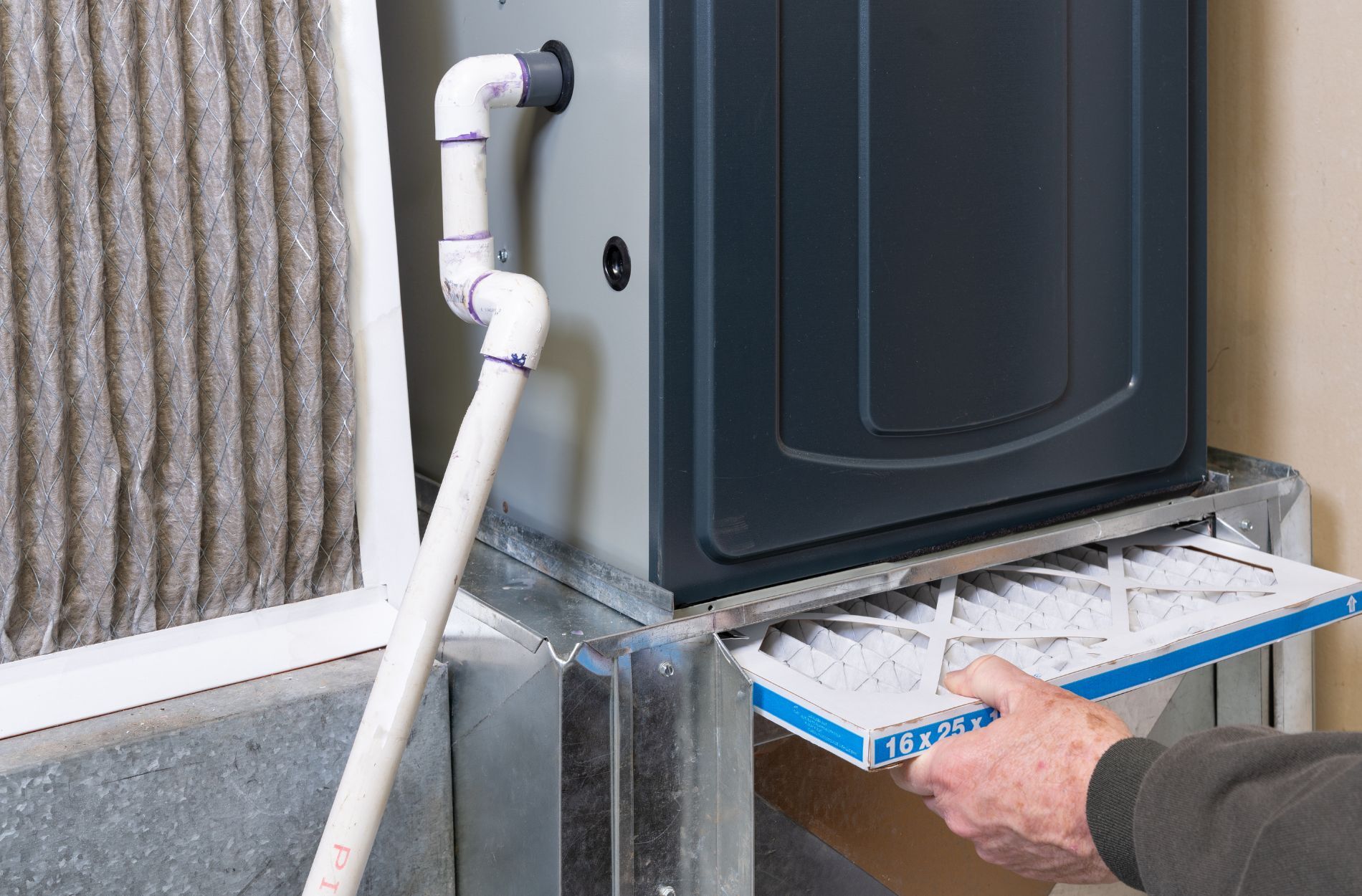
Regular maintenance is crucial for ensuring your HVAC system operates efficiently and effectively. Homeowners should conduct seasonal checks, such as replacing filters, cleaning ducts, and scheduling professional inspections to keep their systems running smoothly.
For instance, changing air filters every 1-3 months can significantly improve air quality and system performance. Additionally, scheduling a professional tune-up before the heating or cooling season can help identify potential issues before they become costly repairs.
Understanding Energy Efficiency Ratings for HVAC Systems
Energy efficiency ratings, such as SEER and AFUE, are essential metrics for homeowners when selecting HVAC systems. These ratings indicate how effectively a system uses energy, which can lead to significant savings on energy bills.
For example, a higher SEER rating for air conditioning units means better energy efficiency, potentially resulting in lower operational costs over time. Homeowners should consider these ratings when purchasing new systems to ensure long-term savings and environmental benefits.
Common HVAC Myths Debunked
There are numerous myths surrounding HVAC systems that can lead to misunderstandings and poor maintenance practices. For instance, many believe that closing vents in unused rooms saves energy, but this can actually increase pressure in the system and lead to inefficiencies.
Another common myth is that a larger HVAC system is always better; however, oversized units can lead to short cycling, increased wear, and higher energy costs. Educating homeowners on these myths can help them make informed decisions about their HVAC systems.
How to Choose the Right HVAC System for Your Home
Selecting the right HVAC system involves several factors, including the size of your home, local climate, and specific heating and cooling needs. Homeowners should evaluate their requirements and consult with professionals to determine the most suitable system.
Additionally, considering factors such as energy efficiency, installation costs, and available features can help ensure a wise investment. A well-chosen HVAC system can enhance comfort, reduce energy consumption, and improve indoor air quality.
ac installation pleasanton, pleasanton hvac, heating and air conditioning pleasanton ca, heating pleasanton ca, heating pleasanton
Essential HVAC Maintenance Tips for Homeowners
Regular maintenance is crucial for ensuring your HVAC system operates efficiently and effectively. Homeowners should conduct seasonal checks, such as replacing filters, cleaning ducts, and scheduling professional inspections to keep their systems running smoothly.
For instance, changing air filters every 1-3 months can significantly improve air quality and system performance. Additionally, scheduling a professional tune-up before the heating or cooling season can help identify potential issues before they become costly repairs.
Understanding Energy Efficiency Ratings for HVAC Systems
Energy efficiency ratings, such as SEER and AFUE, are essential metrics for homeowners when selecting HVAC systems. These ratings indicate how effectively a system uses energy, which can lead to significant savings on energy bills.
For example, a higher SEER rating for air conditioning units means better energy efficiency, potentially resulting in lower operational costs over time. Homeowners should consider these ratings when purchasing new systems to ensure long-term savings and environmental benefits.
Common HVAC Myths Debunked
There are numerous myths surrounding HVAC systems that can lead to misunderstandings and poor maintenance practices. For instance, many believe that closing vents in unused rooms saves energy, but this can actually increase pressure in the system and lead to inefficiencies.
Another common myth is that a larger HVAC system is always better; however, oversized units can lead to short cycling, increased wear, and higher energy costs. Educating homeowners on these myths can help them make informed decisions about their HVAC systems.
How to Choose the Right HVAC System for Your Home
Selecting the right HVAC system involves several factors, including the size of your home, local climate, and specific heating and cooling needs. Homeowners should evaluate their requirements and consult with professionals to determine the most suitable system.
Additionally, considering factors such as energy efficiency, installation costs, and available features can help ensure a wise investment. A well-chosen HVAC system can enhance comfort, reduce energy consumption, and improve indoor air quality.